
How to Take Ketamine at Home: A Physician's Step-by-Step Guide
Medically reviewed by Dr. Ben Soffer, DO
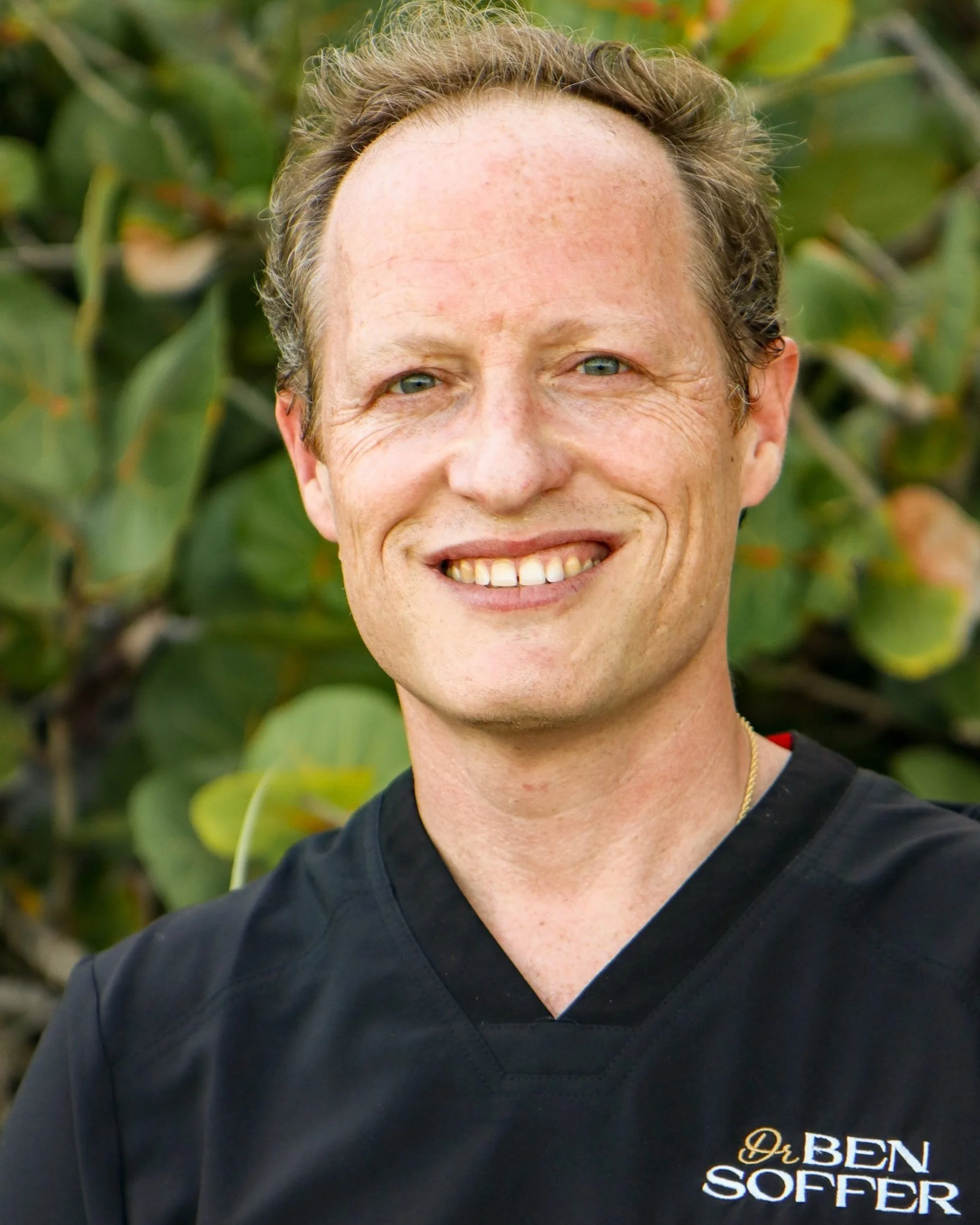
Dr. Ben Soffer is a board-certified physician licensed in Florida, New Jersey, and California. He personally evaluates and treats every Discreet Ketamine patient, from the first telehealth visit through prescribing and follow-up care.
What at-home ketamine therapy is, and who it is for
Ketamine has been used in medicine as an anesthetic for more than fifty years. Beginning in the early 2000s, researchers found that low, sub-anesthetic doses could produce rapid improvements in depression, sometimes within hours rather than the weeks typical of standard antidepressants (Berman et al., 2000). Later randomized controlled trials confirmed a benefit in treatment-resistant major depression, where patients had not responded to conventional medications (Zarate et al., 2006; Murrough et al., 2013). A systematic review and meta-analysis of controlled trials also found that a single dose reduced suicidal ideation within a day of treatment (Wilkinson et al., 2018). In 2019 the U.S. Food and Drug Administration approved esketamine (Spravato), a nasal-spray form of ketamine, for treatment-resistant depression (Daly et al., 2018; FDA). The sublingual ketamine used in most at-home programs, including ours, is a compounded prescription form used off-label under physician supervision.
At-home ketamine therapy is generally considered for adults living with depression, anxiety, PTSD, or certain chronic pain conditions, often after other treatments have fallen short. It is not right for everyone. Screening typically sets aside people with uncontrolled high blood pressure, a history of psychosis, active substance misuse, or certain cardiovascular conditions, which is why a medical evaluation always comes first.
Cost varies widely by format. Physician-guided sublingual programs delivered to your home generally run from around $100 to a few hundred dollars per month, while in-clinic IV ketamine can reach several thousand dollars for a full induction course. For a detailed breakdown of what different providers actually charge, see our ketamine therapy cost comparison and our cheapest ketamine therapy guide.
"Very helpful and efficient. Feel supported in my experience."
Jane Seales, verified patient (Google review)
What this guide covers
This article is narrowly about technique: how to actually take the medication during a prescribed session. Buccal hold time, dose timing, what to do with the saliva, meal spacing, posture, and aftercare. It assumes you already have a prescription and have done the clinical homework.
Looking for a broader guide? If you're researching what at-home ketamine therapy is, who qualifies, what it costs, and how the whole program works, start with our at-home ketamine therapy guide. That's the right entry point for "at-home ketamine" questions; this page is the follow-up for "once I have a prescription, how do I actually take it."
Don't have a prescription yet? Read How to Buy Ketamine Online Legally first, that's the prerequisite to any of this technique mattering.
For background on every route ketamine can be administered (IV, intranasal, sublingual, IM, oral), see all the ways ketamine can be given. For the bigger-picture patient walkthrough, eligibility check, telehealth visit, prescription delivery, start with our online ketamine therapy guide.
How to take ketamine, in 60 seconds
- Have a light meal 2–3 hours before your dose, then stop eating (water and clear fluids are fine right up to dosing). A light stomach reduces the chance of nausea during your session.
- Place the ketamine tablet under your tongue (sublingual) or in your cheek pocket (buccal).
- Hold without swallowing for 10 to 15 minutes while saliva accumulates and the medication absorbs through the oral mucosa.
- After 10 to 15 minutes, spit out residue into a cup to reduce nausea, or swallow it to extend the effect.
- Lie down in a quiet, dimly lit room. Effects peak at 40 to 60 minutes and fade over the next 1 to 2 hours.
The full protocol below covers preparation, what the session feels like, and aftercare. Plan four to five hours from dose to fully sober.
Preparation
Fasting for Six Hours
Before your ketamine session, keep your stomach light: have a light meal 2–3 hours beforehand, then stop eating (water and clear fluids are fine up to dosing). This reduces the chance of nausea during your session. A long overnight fast isn't necessary, at the low sublingual doses used for at-home therapy you stay awake and keep your own protective reflexes, so the goal is comfort, not the strict no-food rule used before general anesthesia.
Avoiding Sedative Medications
Ensure that you are not taking any sedative medications or alcohol that might interact with ketamine, as this could lead to adverse effects.
Set the Right Setting
Create a comfortable, safe, and calming environment in your home. A quiet, dimly lit room with a comfortable bed or couch can be an ideal space for your session. You may like to light a candle or burn incense.
Keep Out of Water
No hot tubs, bathtubs, swimming pools. You can drown.
Music
Play relaxing or meditative music to set a soothing atmosphere. Some recommend classical music such as Bach.
Trusted Companion
It is essential to have a close and trusted friend nearby who can provide emotional support and assist you if needed. In my patients' experience, feeling looked after is a large part of what makes a session go smoothly.
"Have to give Dr. Ben Soffer an A+. He's a very caring individual who is focused on me and my well being as a patient when we meet via the internet. Very professional and good with communicating about how I'm doing, side effects if they should occur. He wants me to be careful and not fall, and cares about a positive benefit for me."
Jack Webb, verified patient (Google review)
Monitor Blood Pressure and Oxygen Levels
Take a blood-pressure reading before every session, proceed only if it's in an acceptable range (we hold the session if your reading is at or above 150/90 after resting and rechecking, or at your individual threshold if your physician set a lower one). A routine post-session reading isn't needed for most patients; the small, temporary rise resolves on its own within an hour or so. If you have a history of high blood pressure, recheck afterward and contact us if it stays elevated or you feel unwell. For those with respiratory issues, wear a pulse oximeter to monitor your oxygen levels during the treatment.
Use an Eye Mask
It is recommended to wear an eye mask during your ketamine session. It helps enhance the introspective experience and block out external visual distractions, allowing you to focus on your thoughts and feelings.
The Ketamine Ingestion Process
Taking the Ketamine Tablet
When ready, take the prescribed ketamine tablet and place it under your tongue. Ketamine tablets are designed to dissolve, so try to keep it in your mouth for as long as possible.
Managing Residue
The taste may be challenging, and saliva may accumulate, leading to unintentional swallowing. Spitting out the residue after 10 minutes may help reduce nausea. Some choose to swallow the residue which will prolong the effect. Having a cup handy is helpful.
During The Session
Prepare for Bed Rest
Expect to be lying in bed for at least two hours or more during the peak effect of the medicine. Ketamine's effects can vary, but it often induces a dreamy or dissociative state. During this state it is unsafe to walk around without assistance. Take a moment now to use the bathroom before the medicine sets in.
Minimize Distractions
Turn off your phone or put it on airplane mode. This is your time for self-care and introspection. Put on your eye mask. Relax and focus on your breath.
Onset and Peak
Effects typically begin within 10-20 minutes of ingestion. The peak of the experience (when dissociation and sensory changes are strongest) usually occurs 40 to 60 minutes after the dose and lasts for about 30-60 minutes and then gradually wears off.
Sensations and Experience
Expect to enter a dreamy or deeply dissociative state. Common sensations include a shift in perspective, altered sense of time and space, and feeling detached from your body. This is safe and expected.
Patients often describe the value of the work that happens in that state, not just the sensations themselves.
"Ketamine is helping me confront and address previously buried and inaccessible layers of deep pain and rage and sadness in a safe environment over time. Dr. Ben's expertise and own personal experience has been an invaluable resource on my ongoing journey to live with less suffering."
Moshe, verified patient (Google review)
Session Duration
Commit to a total session time of at least four hours from the moment you ingest the medicine. During this time, you will not be available for work or child-care related tasks.
Balance and Walking Issues
As ketamine can affect your coordination and balance, do not attempt to walk or move around during the peak of your session. It is advisable to remain lying down to prevent accidents or falls. If you must move, use extreme caution and have your trusted companion assist you.
Nausea Management
Be prepared for potential nausea and vomiting during the session. Your healthcare provider may prescribe anti-nausea medications to manage this issue.
Aftercare
Allow Time for the Effects to Wear Off
Ketamine's full effects typically wear off four to five hours after ingestion, but you should not drive or operate machinery for the rest of that day, and not until the next day after a full night of restful sleep, coordination and judgment can stay subtly impaired longer than the obvious effects last.
Emotional Support
Have a trusted friend or family member available to provide emotional support and assistance as you come down from the ketamine experience.
Integration
Integration: Take time and make the effort to integrate and implement change. Introspect on the experience and write or record what thoughts and feelings arise. Start a practice of spending time with yourself in nature, walk, meditate, really any practice that focuses on self improvement.
Conclusion
Ketamine therapy has shown promise in helping individuals with mental health challenges. While some opt for at-home treatment, it is essential to prioritize safety and proper preparation. Following these guidelines for at-home ketamine treatment can help ensure a comfortable and secure experience, promoting the potential benefits for your mental health while minimizing any associated risks. Always consult with a healthcare professional before beginning ketamine therapy to ensure it is appropriate for your specific needs.
Remember that safety, comfort, and a supportive environment are key to a successful ketamine treatment.
Frequently Asked Questions
How do you take ketamine?
Place the prescribed sublingual ketamine troche or ODT under your tongue and hold it there for 10–15 minutes without swallowing or talking, then spit out any residue. Do this in a quiet room with an eye mask, calming music, a light stomach (a light meal 2–3 hours earlier, nothing since), and a sober adult reachable nearby (in your home or immediately nearby). Sit or lie down and stay reclined for the full 90–120 minutes the session lasts. Don't drive, work, or have important conversations for the rest of that day, and don't drive until the next day after a full night of restful sleep.
How long does ketamine take to kick in?
For sublingual ketamine (troches and ODTs taken at home), onset typically begins 10-20 minutes after the dose, with the peak experience at 40-60 minutes. IV ketamine is faster (5-10 minutes to onset). The slower sublingual onset is actually a feature, not a bug; it gives you a more controlled, gradual entry into the dissociative state, which most patients find easier to manage at home.
How long does a ketamine session last?
The active dissociative experience lasts 90-120 minutes total: 10-20 minutes to onset, 30-60 minutes at peak, then a gradual comedown. After that, you'll feel pleasantly heavy and a little spaced out for another 1-2 hours. Plan to commit at least 4 hours from the moment you take the dose, with no driving, no work, and no important conversations during that window.
Can you swallow ketamine instead of holding it under your tongue?
You can, but the bioavailability drops substantially. Swallowed ketamine reaches only 16-29% bioavailability (most studies cluster around 17%), versus 25-32% for sublingual, because the swallowed dose loses ~70-83% to first-pass liver metabolism through CYP3A4 and CYP2B6. The whole point of holding the troche or ODT under your tongue for 10-15 minutes is to absorb the drug through the sublingual blood vessels before it can be swallowed and broken down.
What does ketamine feel like?
At therapeutic doses, most patients describe a quiet, dreamlike state with distance from anxious thoughts. Some experience visual patterns, a sense of floating, time distortion, or feelings of detachment from the body. The goal is gentle dissociation: distinct enough from yourself to see thoughts from outside, not so far that you panic. The subjective experience differs significantly from recreational ketamine use, where doses are higher and the context very different.
How often should you take ketamine for depression?
The standard induction protocol is 10 or more sessions over 4-8 weeks, typically twice weekly during the early phase. After induction, most patients transition to maintenance dosing every 4-8 weeks depending on response. Your prescribing physician adjusts frequency based on how you're responding, and there's no universal protocol that fits every patient.
Can you drive after taking ketamine?
No. Ketamine impairs coordination, judgment, and reaction time for at least 4-5 hours after the dose, often longer. Don't drive, operate machinery, or do anything safety-critical for the rest of that day, and not until the next day after a full night of restful sleep, once you feel completely back to normal. Most patients schedule sessions for evening or weekends precisely so this isn't a concern.
What should you do if you feel uncomfortable during the session?
Focus on slow breathing through the nose. The intensity is always temporary; it builds over 15-30 minutes and fades within an hour of the peak. If you can lie still, keep your eye mask on, and stay with the breath, the experience usually settles within minutes. Have a trusted person reachable nearby (not necessarily in the room with you) who can check in if you need help.
References
- Berman RM, et al. Antidepressant effects of ketamine in depressed patients. Biological Psychiatry, 2000. PubMed
- Zarate CA, et al. A randomized trial of an NMDA antagonist in treatment-resistant major depression. Archives of General Psychiatry, 2006. PubMed
- Murrough JW, et al. Antidepressant efficacy of ketamine in treatment-resistant major depression: a two-site randomized controlled trial. American Journal of Psychiatry, 2013. PubMed
- Daly EJ, et al. Efficacy and safety of intranasal esketamine adjunctive to oral antidepressant therapy in treatment-resistant depression. JAMA Psychiatry, 2018. PubMed
- Wilkinson ST, et al. The effect of a single dose of intravenous ketamine on suicidal ideation: a systematic review and meta-analysis. American Journal of Psychiatry, 2018. PubMed
- U.S. FDA. FDA approves new nasal spray medication for treatment-resistant depression; available only at a certified doctor's office or clinic, 2019. FDA.gov
Ready to Start Your Healing Journey?
If you're interested in exploring whether ketamine therapy might be right for you, I'm here to help. Dr. Ben Soffer is a board-certified physician providing personalized, discreet at-home ketamine treatment for depression, anxiety, PTSD, and chronic pain.
If you're still comparing at-home ketamine programs, our physician's review of the best at-home ketamine programs in 2026 walks through Mindbloom, Joyous, Better U, and Discreet Ketamine: what each does well and which patient profile fits each. If cost is the deciding factor, my side-by-side ketamine therapy cost comparison breaks down what each provider actually charges in 2026, from Joyous at $129/month to in-clinic IV at several thousand per course. For the lowest-cost legitimate options specifically, see my cheapest ketamine therapy guide for 2026.
Discreet Ketamine provides at-home ketamine therapy across Florida and New Jersey, and now offers at-home ketamine therapy in California statewide. All treatments are supervised by Dr. Ben Soffer, a board-certified physician.
Ready to feel better?
Discreet Ketamine provides at-home ketamine therapy for residents of Florida, New Jersey, and California. Take our 60-second eligibility assessment to see if treatment is right for you.
Check Eligibility