IV vs. Sublingual Ketamine: Understanding the Differences
A comparative look at intravenous and sublingual ketamine — pharmacology, benefits, side effects, and how to choose the right route for your needs.
Expert insights on ketamine therapy, mental health, and healing from Dr. Ben Soffer
A comparative look at intravenous and sublingual ketamine — pharmacology, benefits, side effects, and how to choose the right route for your needs.
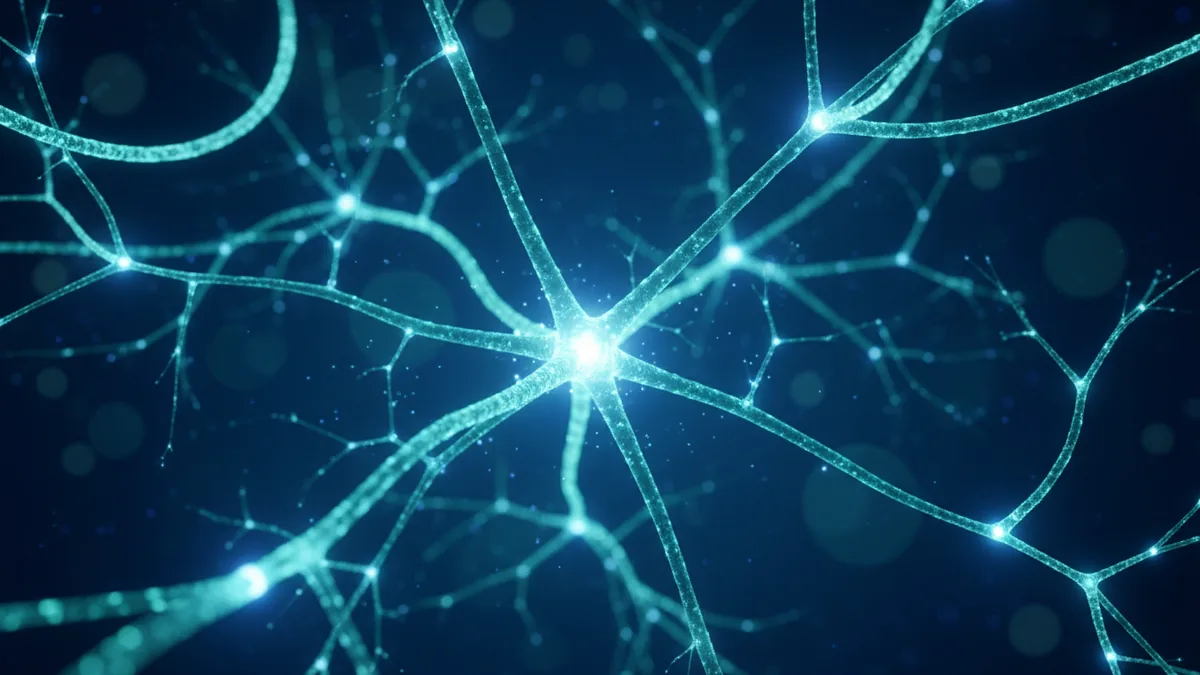
Understanding how ketamine stimulates neuroplasticity through BDNF production and provides rapid mood improvement for treatment-resistant conditions.
From battlefield anesthetic to mental health breakthrough — the remarkable journey of ketamine through six decades of medicine.
Long-term benzodiazepine use often leads to tolerance, dependence, and diminishing relief. Ketamine offers a fundamentally different approach to anxiety — targeting the glutamate system instead of GABA to promote lasting neural change.
Research shows ketamine can reduce suicidal thoughts within hours, not weeks. Learn how this rapid-acting treatment works differently from traditional antidepressants and what role it plays in comprehensive mental health care.
Up to one-third of people with depression don't respond to standard antidepressants. Learn what treatment-resistant depression is, why SSRIs and SNRIs fail for some patients, and what alternative mechanisms of action may offer new hope.
Chronic pain and depression share overlapping brain pathways, and treating one without the other often leads to incomplete relief. Ketamine's unique mechanism of action targets both conditions simultaneously — offering hope for patients caught in this debilitating cycle.
Moral injury and PTSD share overlapping symptoms but arise from fundamentally different wounds. Emerging evidence suggests ketamine's neuroplasticity effects may offer a unique pathway to healing both conditions — especially when traditional treatments fall short.
PTSD physically reshapes the brain — hyperactivating the amygdala, suppressing the prefrontal cortex, and shrinking the hippocampus. Ketamine's unique ability to promote neuroplasticity may help rewire these trauma pathways and restore healthier brain function.
Panic attacks can be debilitating and traditional treatments often fall short — SSRIs take weeks to work and benzodiazepines carry dependency risks. Ketamine therapy offers a fundamentally different approach with rapid-acting relief that may help break the cycle of panic.
When SSRIs and SNRIs haven't worked, ketamine offers a fundamentally different approach — targeting the glutamate system to promote rapid neuroplasticity and symptom relief, often within hours instead of weeks.
The origin story of Discreet Ketamine — and why privacy is a fundamental right in mental health care, not something to apologize for.
A measured perspective on the psychedelic trend — who it's actually for, how to evaluate if it's right for you, and why "everyone's doing it" isn't a medical plan.
Understanding intranasal ketamine options — Spravato (esketamine), compounded nasal sprays, and how they compare to other routes.
Dr. Ben Soffer brings Discreet Ketamine to New Jersey — combining clinical rigor with the comfort and privacy of at-home treatment.
How digital technology is making evidence-based mental health treatment more accessible, affordable, and private.
Evidence-based lifestyle practices — exercise, nutrition, sleep, and mindfulness — that support mental wellbeing alongside (or independent of) ketamine therapy.
A clinical and personal perspective on how non-ordinary states of consciousness can help restore self-belonging after growing up in rigid religious environments.
Exploring non-ordinary states of consciousness during ketamine therapy — and how practices like meditation, yoga, and breathwork support lasting change.
How to transform insights from ketamine therapy into lasting, meaningful change through reflection, grounding, and real-life application.
How ketamine enhances psychotherapy by creating neurological flexibility that facilitates therapeutic breakthroughs.
What patients actually experience during ketamine therapy — dissociation, altered perception, emotional breakthroughs, and how these contribute to healing.
Understanding the therapeutic potential of ketamine-induced dissociation — what it feels like, why it matters, and how it supports healing.
Why nausea happens during ketamine therapy and proven strategies to prevent and manage it — from fasting protocols to natural remedies.
Important information about medication interactions — what's generally compatible, what requires caution, and what to discuss with your provider.
A clear, honest overview of potential side effects and safety considerations for ketamine therapy — what to expect and when to seek help.
Understanding when ketamine treatment should be avoided — medical, psychiatric, and practical contraindications that every patient should know.

A practical guide to at-home ketamine therapy — preparation, environment, safety protocols, and aftercare.

What the research shows about oral ketamine for treatment-resistant depression — response rates, clinical evidence, and how it compares to other routes.
Understanding the two mirror-image forms of ketamine — how they differ, why it matters, and what it means for your treatment.
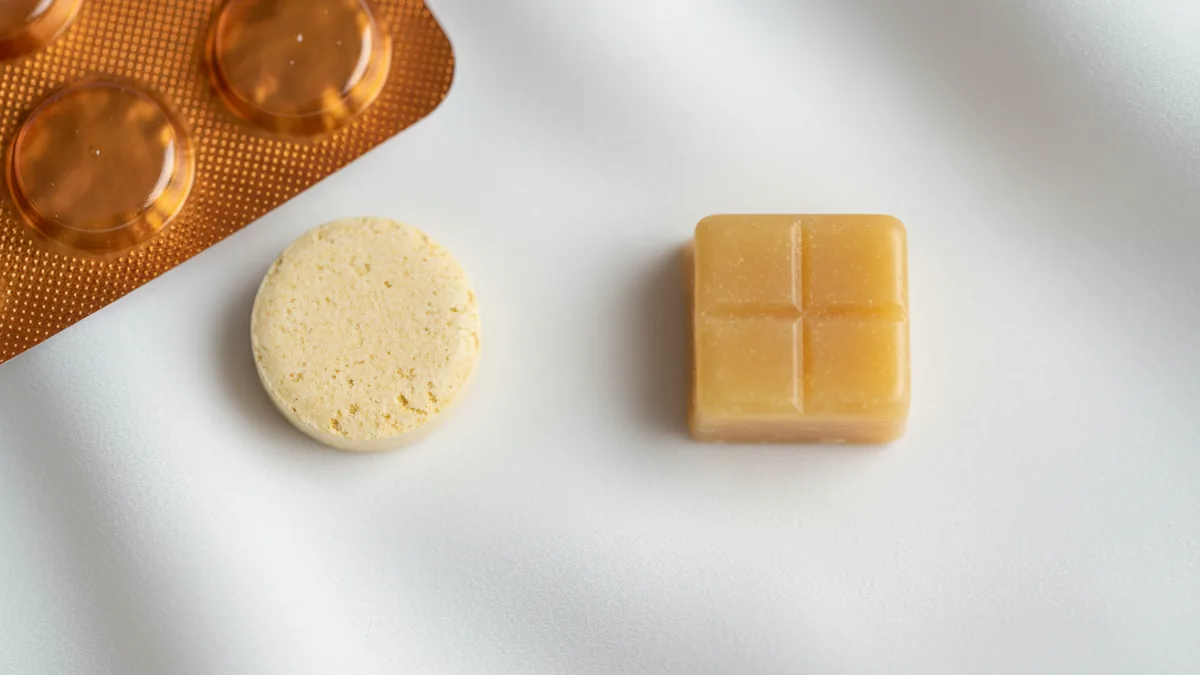
Comparing rapidly dissolving tablets and troches — two sublingual ketamine formulations with different absorption profiles and patient experiences.
A comprehensive guide to every ketamine delivery method — IV, intramuscular, subcutaneous, nasal, sublingual, oral, and more.
How ketamine compares to SSRIs, SNRIs, and other traditional antidepressants — mechanisms, speed, efficacy, and side effects.
Neuroplasticity mechanisms and BDNF production in ketamine efficacy. The science behind rapid antidepressant effects.